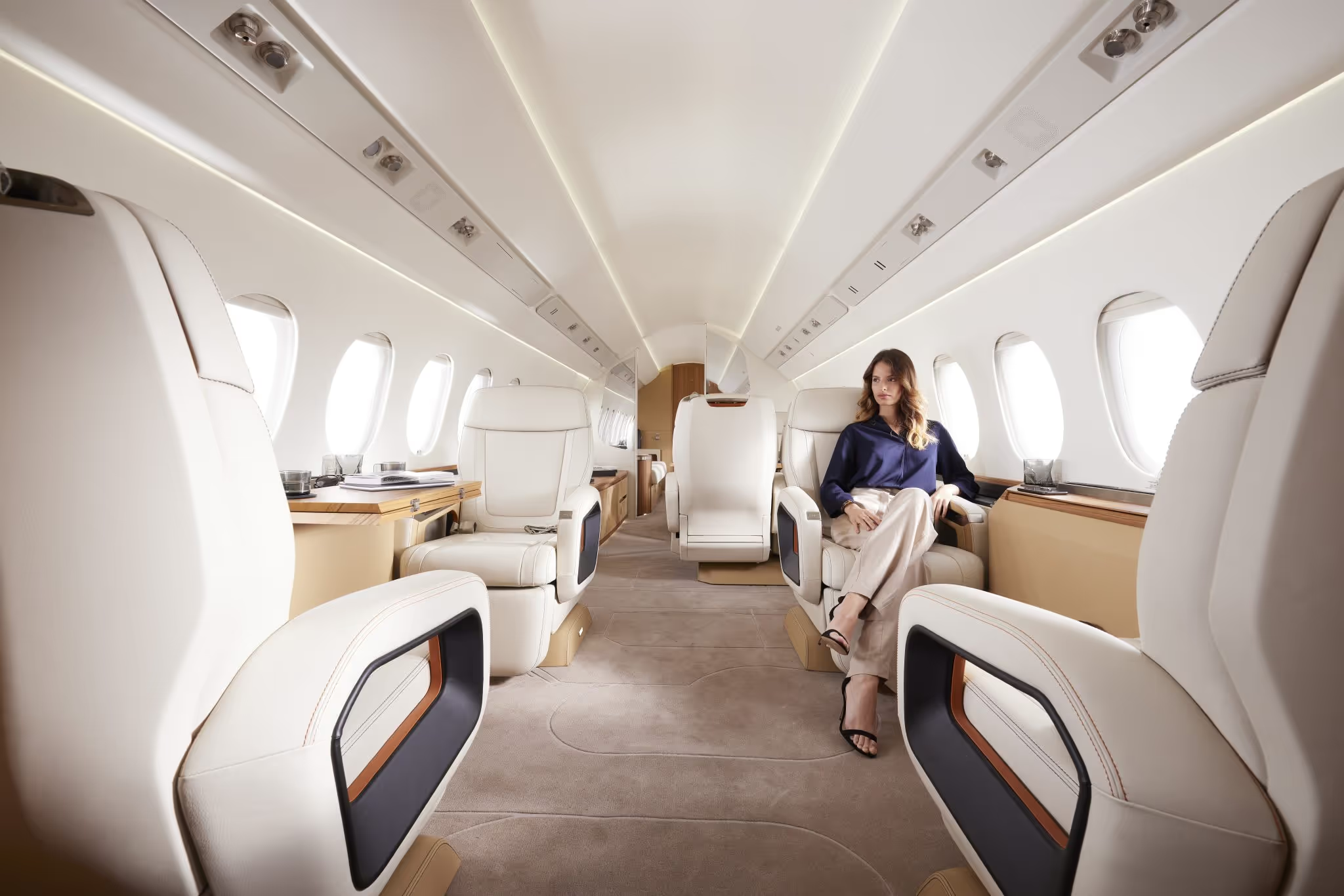
.avif)


Private Jet Turbulence: What You Need to Know
In this article, we will address key questions about turbulence on a private jet
Flying on a private jet offers an unmatched level of luxury, privacy, and convenience. However, one common concern among passengers is the possibility of turbulence. While turbulence is a normal occurrence during any flight, how does it differ when traveling on a private jet? In this article, we will address key questions, explore the types of turbulence, and discuss how private jets handle it compared to commercial aircraft.
What Is Turbulence?
Turbulence is a disruption in the airflow around an aircraft, causing it to move irregularly. This phenomenon can make the plane feel bumpy, but it is generally not dangerous. It occurs due to several factors, such as changes in weather, jet streams, and other aircraft. There are several types of turbulence, including:
- Clear Air Turbulence (CAT): Occurs at high altitudes, often without warning, and is typically invisible to radar.
- Wake Turbulence: Caused by the disturbance created by another aircraft flying ahead.
- Thermal Turbulence: Happens when warm air rises from the earth's surface and mixes with cooler air above.
- Mechanical Turbulence: Caused by air flowing over terrain like mountains or buildings.
- Topographic Turbulence: Occurs when air is forced to move over complex terrain, resulting in irregular airflow.
Although turbulence can feel uncomfortable, it is rarely a safety hazard. Aircraft, including private jets, are designed to handle turbulence without compromising the safety of passengers.
Do Private Jets Have More Turbulence?
One of the most common questions people ask is: do private jets have more turbulence than commercial flights? The answer is nuanced. Private jets are typically smaller and lighter than commercial airliners, which means they can feel the effects of turbulence more acutely. However, the size of the jet is not the only factor at play.
While private jets may be more sensitive to air disturbances due to their lighter build, they also have an important advantage over commercial flights: flexibility. Unlike commercial airlines, which are often restricted to predetermined routes and altitudes, private jet pilots can alter their flight paths and adjust altitudes to avoid turbulent areas, leading to a smoother experience overall.
Thus, while private jets may experience turbulence more noticeably, they also have the ability to avoid it more effectively than commercial flights, thanks to their flight path flexibility.
Why Private Jets Can Often Avoid Turbulence
One of the greatest advantages of flying privately is the flexibility of the flight path. Private jet pilots can adjust their route and altitude based on real-time weather data, which allows them to avoid turbulent air. Commercial airlines, on the other hand, are typically bound by air traffic control and flight routes, which can limit their ability to avoid turbulence.
When a private jet encounters turbulence, the pilot can choose to fly at a different altitude, reroute the flight, or even avoid the area altogether. This flexibility helps to ensure that passengers experience a much smoother journey.
What to Do During Turbulence on a Private Jet
Though private jets offer a more flexible and comfortable flying experience, it’s still important to know what to do if you encounter turbulence. Here are a few tips:
- Always wear your seatbelt: This is the most effective way to stay safe during turbulence, no matter how mild or severe.
- Remain calm: Turbulence is a natural part of flying, and modern aircraft, including private jets, are designed to handle it.
- Limit movement: During turbulence, avoid moving around the cabin unnecessarily. This will help you stay safe and comfortable during the ride.
Is Turbulence Dangerous on Private Jets?
In general, turbulence is not a serious safety concern on private jets or any other aircraft. Modern jets are designed to withstand turbulence and remain stable. The primary issue with turbulence is comfort, not safety. The private jet pilot will always prioritize the safety and well-being of the passengers and adjust the flight accordingly to minimize the effects of turbulence.
While turbulence can cause discomfort, it is rare for it to lead to significant safety risks. Private jet pilots are highly trained to handle turbulence, ensuring that passengers remain safe during the flight.
Conclusion
Turbulence is a common occurrence in aviation, but the experience of it can vary significantly depending on the type of aircraft. Private jets may feel turbulence more acutely because of their smaller size, but they also have the ability to adjust routes and altitudes to avoid the worst of it. Thanks to this flexibility, private jets often provide a smoother experience compared to commercial flights, where turbulence can be more unavoidable.
For those looking for a smoother, more flexible flying experience, flying on a personal jet offers significant advantages over commercial air travel. Whether you're interested in private jet rental or purchasing a private jet, the ability to avoid turbulence makes it an appealing choice for many travelers.
Leave your contact info, we’ll get in touch.
.avif)